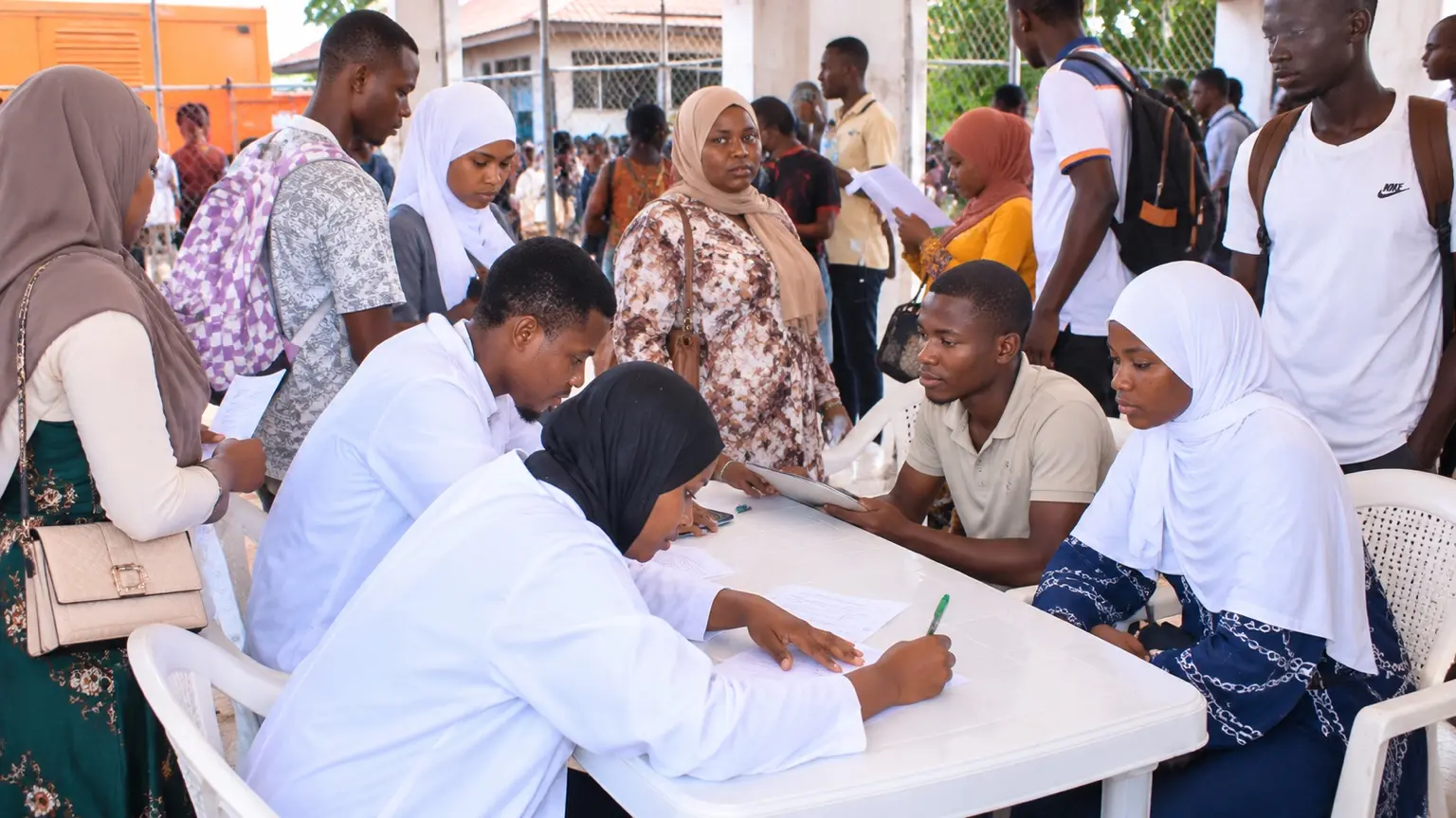
Registration at a health outreach programme

FOR COMMUNITIES WITHIN YOUR CARE

Healthy communities begin
with thoughtful preparation.

On-site student health screening, confidential individual outcomes and practical institutional reporting, with consent and follow-up built into the programme.

Discuss your programme

03 / INSTITUTIONS & SCHOOLS

Ready to learn.
Supported to thrive.

A structured student health programme helps a school understand health needs, organise follow-up and support participation in school life.

The secondary-school programme is designed for Ordinary Level and Advanced Level cohorts, including boarding and day schools. It can be arranged at entry, orientation, annual review or another agreed point in the school calendar.

Physical health and age-appropriate psychosocial wellbeing are considered together. Screening identifies concerns that may need support or further assessment; it is not a diagnosis or a decision about academic admission.

OTHER INSTITUTIONS

Colleges and other organisations can discuss a tailored programme. Student ages, activities, professional requirements and reporting arrangements determine the scope.

STUDENT SCREENING TIERS

Three screening depths.
One organised experience.

Each tier includes individual outcome information and referral guidance where further assessment is indicated.

BASELINE ASSESSMENT

Essential

A foundation for identifying health and wellbeing needs.

  • Health questionnaire, history and doctor examination
  • Vital signs, height, weight and BMI
  • Visual acuity screening
  • Brief age-appropriate mental-health and psychosocial wellbeing screening
  • Health advice, individual outcome card and referral slip where indicated
Discuss Essential
ADDITIONAL CHECKS

Standard

The Essential assessment, with additional laboratory screening.

  • All Essential components
  • Haemoglobin testing
  • Blood glucose testing
  • Dipstick urinalysis
  • An agreed institutional summary of programme findings
Discuss Standard
EXPANDED REVIEW

Comprehensive

The Standard scope, with a more detailed clinician review.

  • All Standard components
  • Expanded physician assessment
  • Adolescent and young-adult risk assessment
  • A more detailed institutional summary and prevention priorities
Discuss Comprehensive

The programme scope, suitability of checks, consent requirements and safeguarding pathways are agreed before delivery. Any additional diagnostic tests, specialist reviews or vaccination activities require a separate agreed scope and appropriate provider arrangements.

FROM SCHOOL BRIEF TO PROGRAMME DAY

Well prepared.
Calmly delivered.

01

Prepare with the institution

Confirm the cohort, ages, timetable, rooms, focal person and parent/guardian communication. Agree consent, clinical scope, reporting recipients and the arrangements for anyone needing further care.

02

Organise the screening pathway

Use a planned sequence for registration, checks and clinician review. Staffing and stations reflect the cohort and selected scope, with doctors, nurses, laboratory personnel and data coordinators involved as required.

03

Communicate outcomes

Provide individual outcome information and referral guidance through the agreed authorised channel. Reconcile participation records and prepare the de-identified institutional summary.

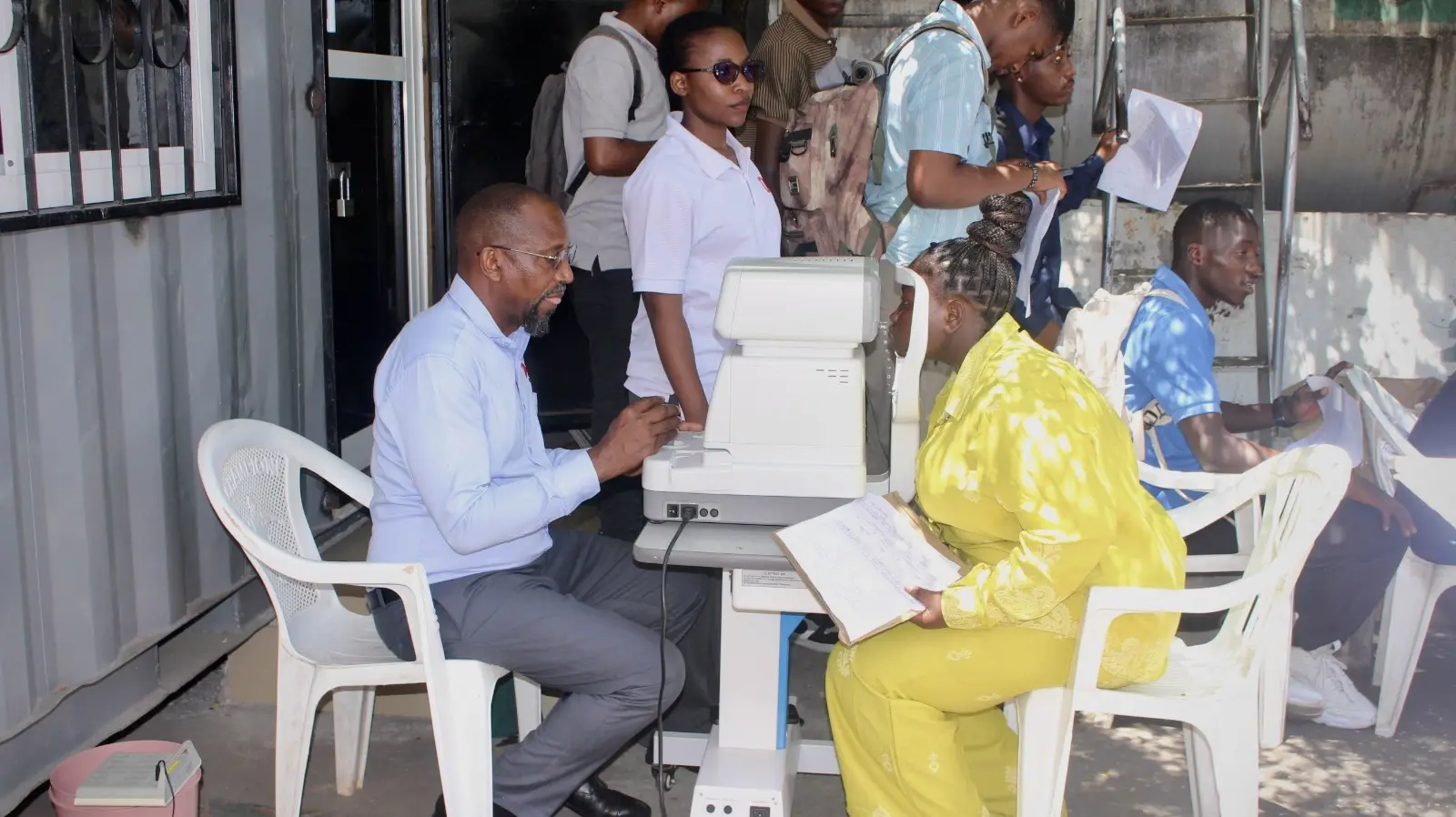
An eye examination during an ApexCare outreach activity
From our outreach work: attention to vision during screening.

TWO REPORTING PATHWAYS

Personal outcomes.
A clearer school picture.

For the student and parent/guardian: confidential screening outcomes, appropriate advice and referral information. The programme can identify a need for further assessment, planned review, or no immediate concern within the checks completed.

For school leadership: an agreed de-identified report covering participation, completion and relevant health trends. Depending on the selected scope, this can include vision, nutrition, blood pressure, haemoglobin, glucose and wellbeing indicators, with practical prevention priorities.

For follow-up: agree how referrals are communicated, who coordinates the next step and how safeguarding concerns are handled. Named clinical records are shared only through authorised arrangements.

ENGAGEMENT & FEES

A programme that fits
your institution.

01

One-off or recurring

Plan an intake or annual screening activity, combine screening with health education, or discuss a programme across several school branches. Staff occupational-health services can be scoped separately.

02

Cohort-based quotation

The selected screening tier, student numbers, location and deployment logistics inform the quotation. Scope, fee per participant, payment timing and any additional charges are agreed before scheduling.

03

Clear payment arrangements

The catalogue allows a student-funded programme, with the institution agreeing the programme and applicable fee. An institution or sponsor can agree a different funding or collection arrangement in writing.

QUESTIONS FROM SCHOOL LEADERS

Confidence starts
with clear arrangements.

How are consent and safeguarding handled?

Agree parent or guardian consent for minors, age-appropriate participant communication, clinical privacy and the school’s safeguarding contacts before screening. Concerns requiring escalation follow the agreed professional pathway.

Does screening decide who may join or remain at school?

The programme is intended to identify health needs and support participation. It is not an academic admission decision or a guarantee that a student has no health condition. Further assessment may be needed after screening.

What happens when a concern is identified?

The clinician provides appropriate outcome information and referral guidance. The institution, family and ApexCare agree their respective follow-up responsibilities; further consultation or treatment is separate unless included in the engagement.

Can we arrange programmes outside Dar es Salaam?

Share your location, cohort size and preferred dates. Deployment availability, venue needs, logistics and costs across Tanzania are confirmed in the proposal.

What should our first enquiry include?

Include the institution name, location, student numbers and ages, preferred screening tier, dates, medical-form requirements and your focal person. Keep personal medical records out of the public enquiry form.

YOUR NEXT STEP

Bring a clear health
programme to your school.

Share your cohort size, location and preferred dates. We will discuss the screening scope, consent arrangements, reporting and programme quotation.

Plan an institutional programme